
Blog ideas by industry / HVAC
HVAC blog topics for heating and cooling companies
HVAC searches follow the weather. The first hot week brings "AC not cooling" and the first cold night brings "furnace won't turn on." A good HVAC blog has those posts ready before the phones light up.
2026 also gave homeowners new questions. New systems use different refrigerants, and the federal tax credit many HVAC sites still advertise ended with 2025. Those make good posts, and they're a reason to check your old ones.
22 topics in 4 groups, then the rules to check before you publish.
Written October 16, 2026 by Preston Vawdrey at Draftly.
Breakdowns and no-heat calls
Short, calm posts with the safe checks first and your phone number near the top.
- AC running but not cooling: what to check firstThermostat setting, filter, breaker, frozen coil. Then when to call.
- Furnace short cycling: common causesDirty filter, flame sensor, oversized system. Say which ones need a tech.
- Heat pump covered in ice: when it's normal and when it isn'tDefrost cycles look alarming. Explain what normal looks like in your climate.
- Water around the furnace or air handlerClogged condensate line is the usual answer. Show where the line runs.
- Thermostat screen is blankBatteries, the breaker, a tripped float switch. Quick wins readers can try.
- Your carbon monoxide alarm went off: what to doGet everyone out and call 911 or the gas utility from outside. Keep it short and skip troubleshooting.
Repair or replace
These readers are about to spend thousands. Give them real numbers from your market and explain your reasoning.
- Repair or replace your AC: how we decideAge, repair cost, refrigerant type. Share the rule of thumb your techs use.
- What the new refrigerants mean if you're replacing an ACEPA rules are moving new systems from R-410A to refrigerants like R-454B and R-32. What that changes for a homeowner.
- Heat pump or furnace in our climateWinter lows, gas prices and electric rates where you work.
- What size system does my house need?Explain a load calculation and why tonnage by square footage goes wrong.
- What SEER2 rating means and the minimum for our regionEfficiency minimums differ by region. Say which one your customers are in.
- Ductless mini splits for a garage, addition or bonus roomCost, what one head can cover, and how it looks on the wall.
- My system uses R-22. What now?R-22 isn't produced anymore, so recharges get expensive. Lay out the options.
Maintenance and seasonal posts
Publish these before each season and link them from your maintenance plan page.
- Spring AC tune-up: what our techs checkYour real checklist, item by item.
- Fall furnace checklistFilter, flame sensor, heat exchanger, CO test.
- How often to change your air filterBy filter type, pets and allergies. Show the size printed on the frame.
- Filters and air cleaners for wildfire smokeHigher-rated filters and portable air cleaners. Link EPA's home air filter guide.
- Winter humidity: why your house feels dryHumidifier options and the window condensation that means it's set too high.
Money, rebates and rules
Homeowners search these before they call. Getting them right is how you earn the call.
- Is there still a federal tax credit for heat pumps in 2026?The 25C credit covered equipment installed through December 31, 2025. Point readers to utility and state rebates instead.
- Utility rebates for heat pumps and smart thermostats in your areaList the programs by name and link them. Update the post when they change.
- What a maintenance plan costs and what it savesYour price and what's included. Skip savings claims you can't back up.
- Financing a new system: what to askAPR, term, and what happens if you sell the house.
Before you publish an HVAC post
HVAC posts age fast because the rules and rebates change. These checks keep them accurate.
Fix old tax credit posts
The federal Energy Efficient Home Improvement Credit (25C) applied to qualifying equipment placed in service through December 31, 2025. Posts that still promise a 30% credit on a 2026 install will send you upset customers. Update them to point at current utility and state rebates.Source: IRS: Energy Efficient Home Improvement Credit
Skip DIY refrigerant posts
Under EPA's Section 608 rules, technicians need certification to work with refrigerant. Write about symptoms and what your tech will check. Leave recharge how-tos out.Source: EPA: Section 608
Get refrigerant details right
EPA's Technology Transitions program limits higher-impact HFC refrigerants in new air conditioning and heat pump systems. Name the refrigerant your installs use and link the rule.Source: EPA: Technology Transitions
Treat carbon monoxide as an emergency
Any post that mentions CO should tell readers to get out and call for help first. Troubleshooting comes after the house is safe.Source: EPA: carbon monoxide
Back up efficiency claims
"Cut your bill in half" needs a source. Use the manufacturer's rated numbers or ENERGY STAR data and link them. If you're a factory-authorized dealer, check your manufacturer's rules for how you name its products.
This is a summary for planning posts, checked October 16, 2026. It isn't legal advice, and rules change, so confirm the current version at each source.
Writing HVAC posts with Draftly
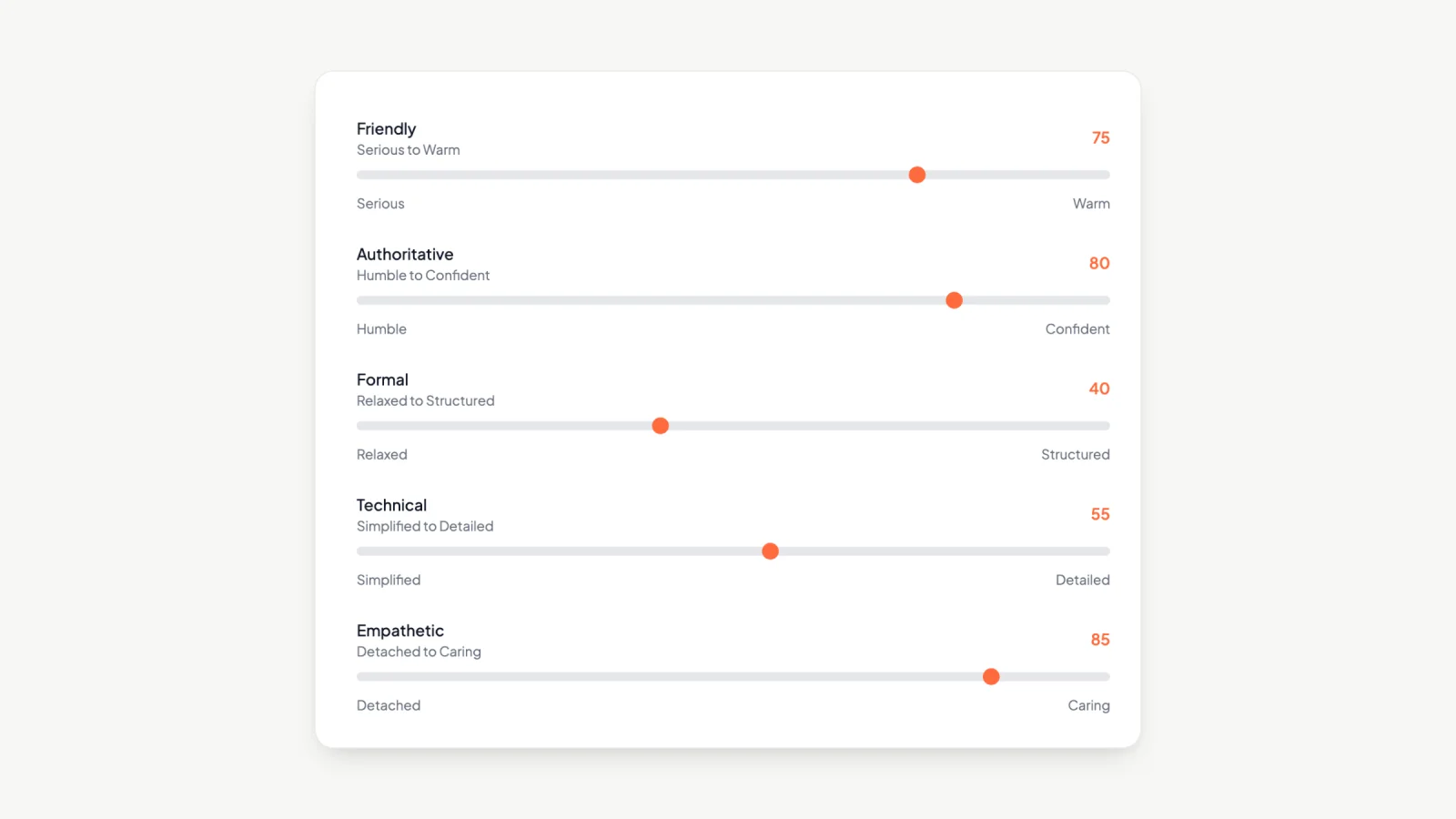
Draftly sets your brand voice from your website and turns industry news and feeds into topic ideas each day, so a rule change or a heat wave shows up as a post idea while it still matters. You can also type your own topic, like "what the new refrigerants mean for homeowners."
Every draft comes with a URL slug, meta title and meta description, and gets checked against writing rules and for AI-sounding phrasing before you see it. You add your prices and rebate links, then publish to WordPress, Shopify, Webflow, Ghost, Squarespace or HubSpot.
Before you write anything new, try the free content refresh checker. It lists the posts on your blog that haven't been updated in a year, which is where outdated tax credit and refrigerant advice usually sits. The rest of the free tools are on the tools page.
Blog ideas for other industries
Keep reading
 GuideSEO copywriting rules we check on every postStructure, voice and call-to-action rules, with before and after examples.
 ComparisonBlog writing service or AI: what a post costsFreelancer, agency and Draftly prices per post, and when a human writer is still the better hire.
 Blog postAEO and GEO for small business blogs in 2026How to get your small business blog cited by ChatGPT, Claude and Google AI Overviews, based on Google's own guidance…
Frequently asked questions
What should an HVAC company blog about?
Breakdown posts for peak season, repair-or-replace posts with your real prices, maintenance checklists, and current rebate and rule changes in your area.
When should HVAC companies publish seasonal posts?
Four to six weeks before the season, so the posts are indexed when the first heat wave or cold snap hits.
Is the heat pump tax credit still available in 2026?
The federal 25C credit applied to equipment placed in service through December 31, 2025, per the IRS. Check your utility and state for current rebates.
Can AI write HVAC blog posts?
It can write the draft. Someone at the company should add local prices and rebates and check every safety and refrigerant detail before it's published.