
Blog ideas by industry / Plumbing
Plumbing blog ideas homeowners search for
People look up a plumber in one of two moods. Something is leaking right now, or they're planning a bigger job like a water heater or a repipe. A plumbing blog that brings in calls answers both.
The usual lists give you 100 or more titles. This one is shorter and grouped by what the reader is going through, with a note on what makes each post worth writing. Swap in your city, your prices and your own jobs, because that's the part a national site can't copy.
24 topics in 4 groups, then the rules to check before you publish.
Written October 16, 2026 by Preston Vawdrey at Draftly.
When something is leaking right now
These readers are on their phone with water on the floor. Keep the steps short, put your phone number near the top, and tell them where the safe DIY part stops.
- What to do when a pipe bursts, before the plumber gets thereMain shutoff, power to the water heater, photos for insurance. Say where shutoffs usually sit in homes in your area.
- How to find your main water shutoff valveBasement, crawlspace, garage or the curb box. A photo from a real local job beats a stock image.
- Why is my water heater leaking from the bottom?Tank failure, a drain valve or the relief valve. Explain which ones are a same-day call.
- Toilet keeps running: the three parts that usually cause itFlapper, fill valve, float. One of the few posts where a full DIY fix is fine.
- Sewer smell in the basement: what it usually meansOften a dry floor drain trap. Say when it means a cracked vent or sewer line instead.
- No hot water: what to check on a gas or electric heaterPilot, breaker, reset button. Stop at anything that means opening a gas line.
- You smell gas: what to do firstLeave the house, then call the gas utility or 911 from outside. Keep this one short and put it where people can find it fast.
Planning a bigger job
These readers are comparing quotes. Real price ranges, dated and specific to your market, are what get these posts read and shared.
- Tank vs tankless water heater for a family of fourUpfront cost, gas line or electrical upgrades, and how long each lasts in your water.
- How long does a water heater last, and when to replace itAge on the serial number, rust in the water, rumbling. Show how to read the label.
- What it costs to repipe a house in your cityGive the range you actually quote, the year, and what moves the price.
- PEX or copper for a repipeCost, freeze tolerance, and what your local inspectors are used to seeing.
- Should a home buyer get a sewer camera inspection?What it finds that a general home inspection skips, and what it costs.
- Do you need a water softener here?Use the hardness numbers from your water utility's annual Consumer Confidence Report.
- What permits a water heater replacement needs in your cityMany cities require one. Link the local permit page and say who pulls it.
Seasonal posts
Publish these four to six weeks before the season, so they're indexed when the calls start.
- How to winterize outdoor spigots and irrigation linesShutoff inside, open the bib, blow out or drain. Mention backflow testing if your city requires it.
- Frozen pipes: how to thaw them safelyHair dryer or space heater, never an open flame. Which walls freeze first in local homes.
- Test your sump pump before spring stormsBucket test, check valve, battery backup. Time it to your local rainy season.
- What not to put down the disposal on ThanksgivingGrease, peels, rice and pasta. The day after Thanksgiving is a busy one for drain calls.
- Getting a vacation home or rental ready for winterShutoff, drained lines, heat left on, and who checks on it.
Local trust and proof
These posts get little search traffic, and they're what a reader checks right before calling you.
- Does my home have a lead service line?Utilities had to publish service line inventories in October 2024. Link your utility's lookup and explain what replacement involves.
- Water pressure too high: what a pressure reducing valve doesA gauge on the hose bib tells them. Explain why high pressure wears out fixtures.
- How to check a plumber's license in your stateLink your state board's lookup. Then show your own license number.
- A recent job, start to finishThe problem, what you found, what it cost and photos. Ask the customer first and leave out their address.
- What our maintenance plan coversWhat you check, how often, and what it costs. Readers want the list.
Before you publish a plumbing post
A few habits keep plumbing posts useful and keep you out of trouble with customers and inspectors.
Say where DIY stops
Shutoffs, plungers, running toilets and reset buttons are fine to explain. Gas lines, relief valves and anything that needs a permit belong to a licensed plumber. Write that line into the post so a reader doesn't hurt themselves following it.
Show your license number
Many state plumbing boards require a license number on advertising. Check your board's rules and put the number in the blog footer or author box so every post carries it.
Date your prices
Give the range you really charge and the year you wrote it. Old prices are the fastest way to get an angry phone call. Update them each spring.
Use local code and water data
States and cities adopt different plumbing codes, and water hardness varies by utility. Cite your local code and your utility's water report by name instead of a national average.Source: EPA: Consumer Confidence Reports, EPA: lead service line inventories
Get permission for job photos
Ask the customer before you post their bathroom, and crop out house numbers, faces and anything personal on the walls.
This is a summary for planning posts, checked October 16, 2026. It isn't legal advice, and rules change, so confirm the current version at each source.
Writing plumbing posts with Draftly
Draftly reads your website and sets your brand voice from it, so posts sound like your shop and your service area. Type a topic like "how to flush a water heater" and it writes the full post with a URL slug, meta title and meta description. The example on this page is exactly that, written for a made-up plumber.
You add the parts only you have: your prices, your city's permit rules and photos from real jobs. Then publish to WordPress, Shopify, Webflow, Ghost, Squarespace or HubSpot. Marketing agencies that run blogs for several plumbers can add each client as its own website with its own voice.
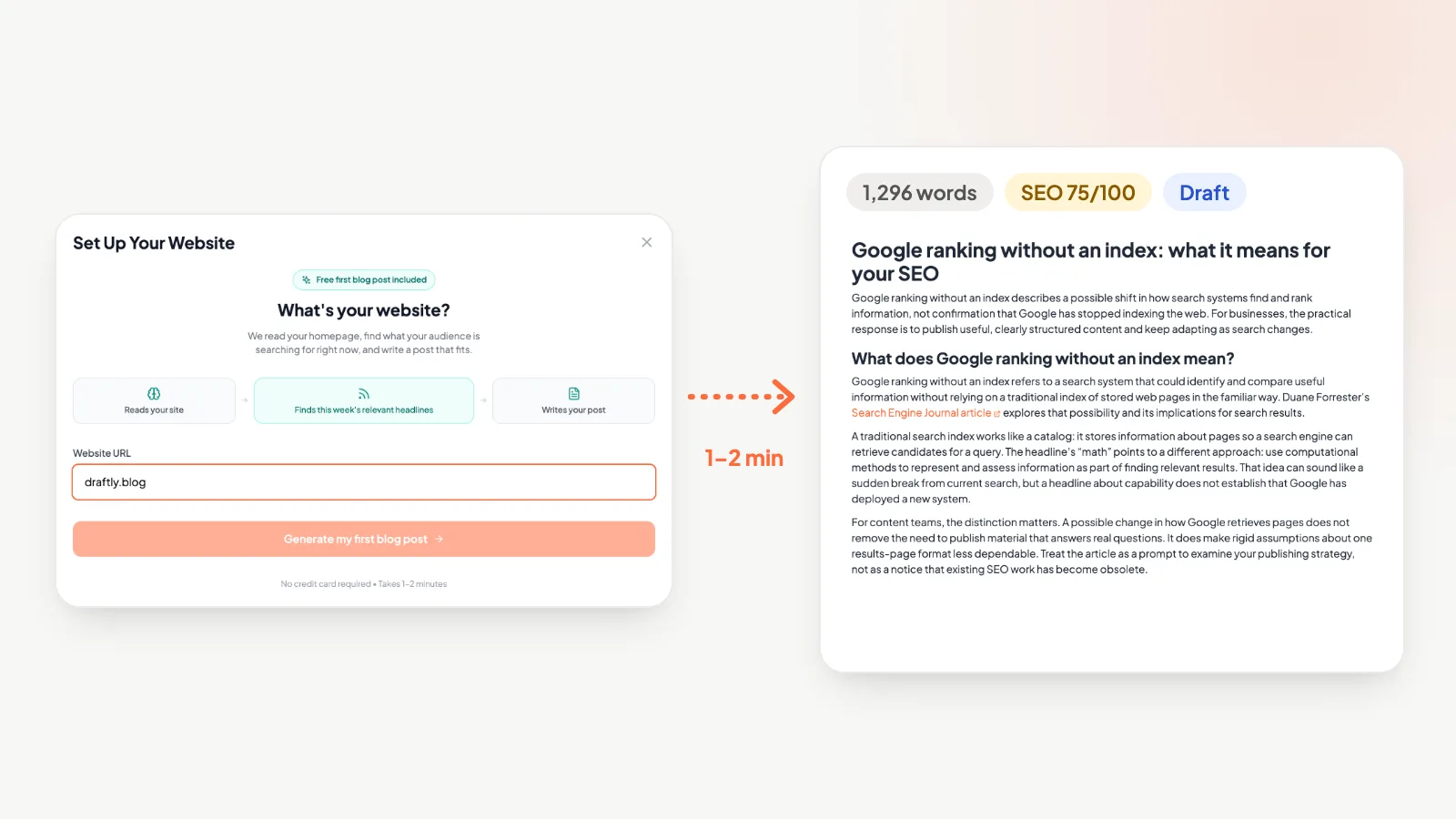
Before you write anything new, try the free blog SEO checker. Run your best post through it to see which SEO basics it's missing before you write new ones. The rest of the free tools are on the tools page.
Blog ideas for other industries
Keep reading
 GuideSEO copywriting rules we check on every postStructure, voice and call-to-action rules, with before and after examples.
 ComparisonBlog writing service or AI: what a post costsFreelancer, agency and Draftly prices per post, and when a human writer is still the better hire.
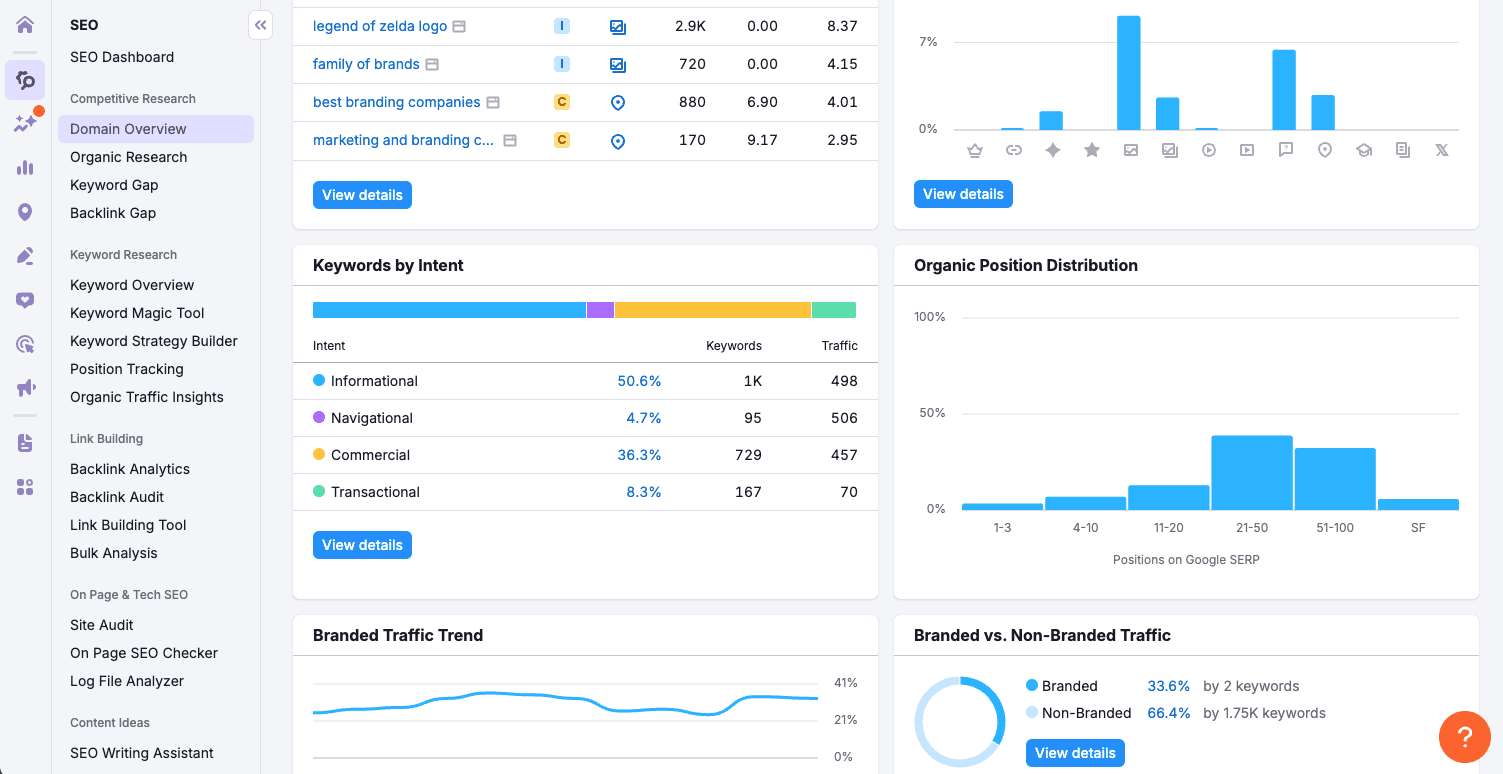 Blog postAEO and GEO for small business blogs in 2026How to get your small business blog cited by ChatGPT, Claude and Google AI Overviews, based on Google's own guidance…
Frequently asked questions
How often should a plumbing company blog?
Two posts a month is enough to start if they're good. Publish seasonal posts four to six weeks before the season, and update your top posts each year with current prices.
What plumbing blog topics get the most calls?
Emergency posts like burst pipes, leaking water heaters and no hot water, because the reader needs help now. Put your phone number near the top of those.
Should a plumbing blog explain DIY fixes?
Yes for simple jobs like running toilets and finding the shutoff. Say clearly where DIY stops, especially for gas, relief valves and anything that needs a permit.
Can AI write plumbing blog posts?
It can write a solid draft. A plumber should still add local prices, permit rules and job photos, and check the safety steps before it goes live.